


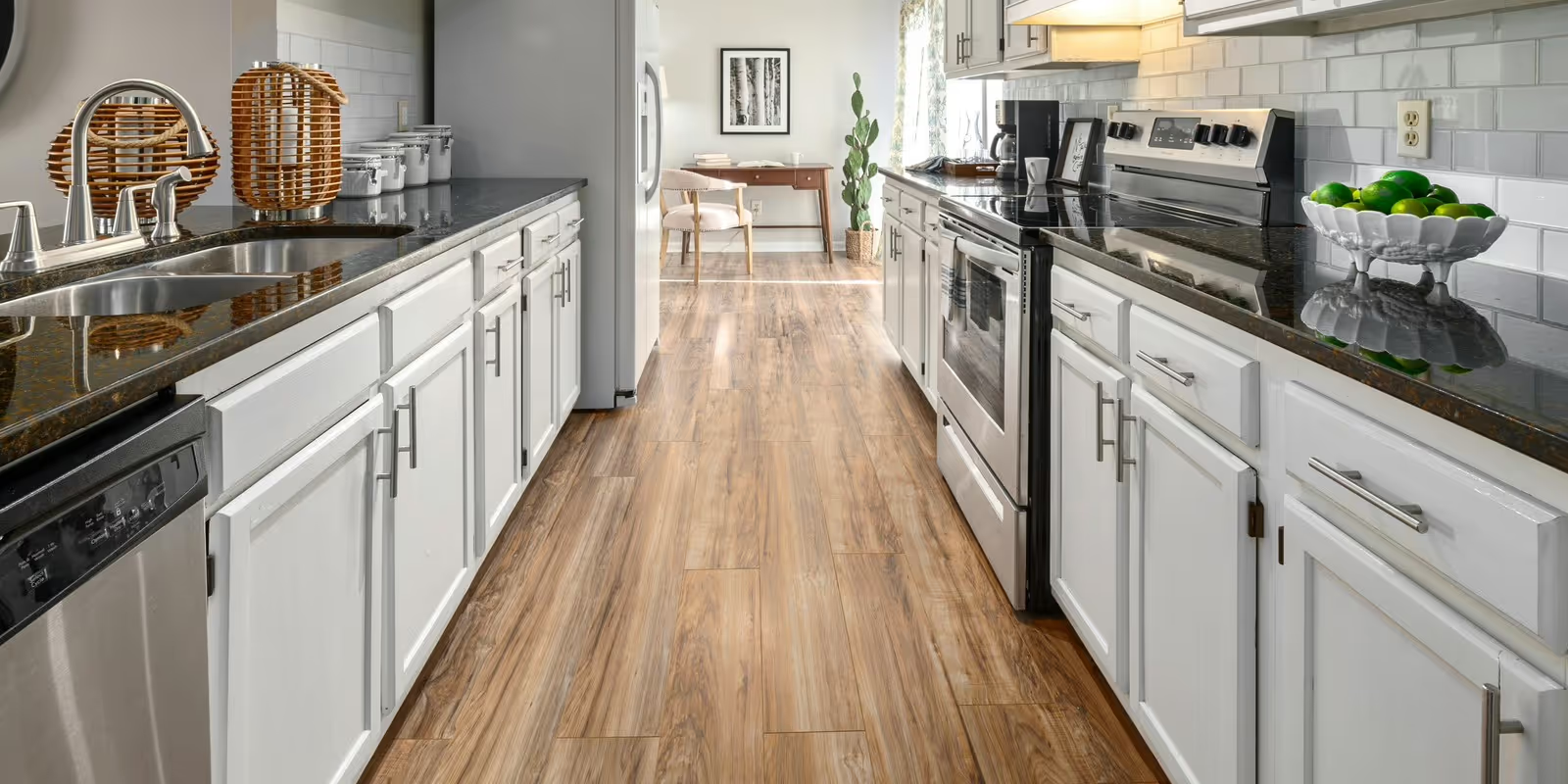

Hardwood floors are one of the most beautiful investments you can make in your home. They add warmth, character, and significant resale value. But over time, life happens and your pristine floors can start to show their age. When homeowners in Bend and throughout Central Oregon spot damage, the immediate fear is often, "Do I have to rip all of this up and start over?"
At Easton Flooring, we aren't here to push you into a costly replacement if a simple repair will do the trick. To help you evaluate the state of your hardwood, we’ve put together this honest guide to help you figure out if your floors need a little TLC or a complete overhaul.
This article will also explore the differences between repairing hardwood flooring and laminate/vinyl flooring. Understanding the unique characteristics of these materials is essential for determining the appropriate repair methods. View our Flooring Comparision Guide to get to know the different flooring types we install and repair.
The Hardwood Damage Checklist: Repair or Replace?
Walk your floors, and use this quick checklist to assess the situation.
1. Surface Scratches, Scuffs, and Dings
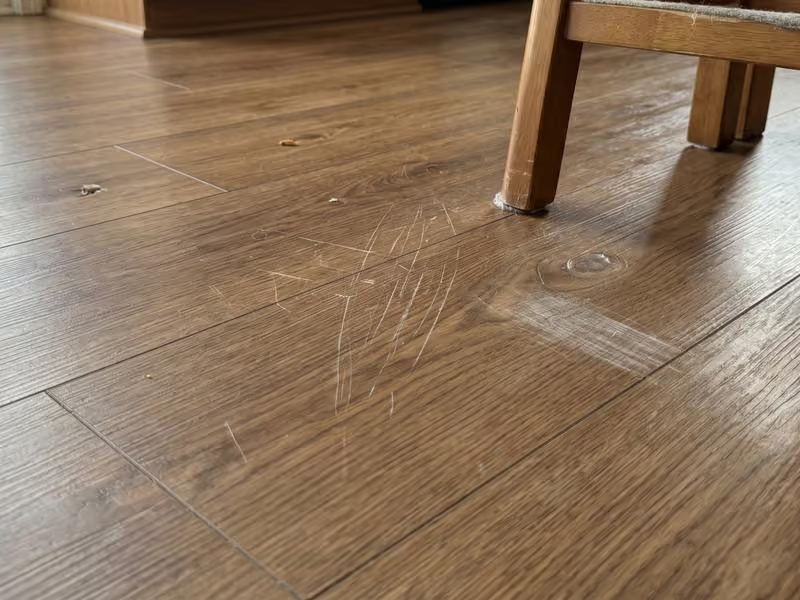
The Culprits: Pet claws, sliding barstools, kids' toys, and everyday foot traffic.
The Verdict: REPAIR (USUALLY)
- Solid & Engineered Hardwood: If the scratches are only in the clear topcoat or slightly into the wood, you are in luck. In most cases, these floors can be sanded down and refinished to look brand new. Even isolated, deeper gouges can often be fixed by a skilled craftsman swapping out a few damaged boards rather than replacing the whole room.
- Laminate & Vinyl/LVP: These materials cannot be sanded. While minor scuffs can sometimes be hidden with specialized putty or stain markers, deeper scratches or gouges require physically removing and replacing the individual damaged planks.
2. Water Damage and "Cupping"
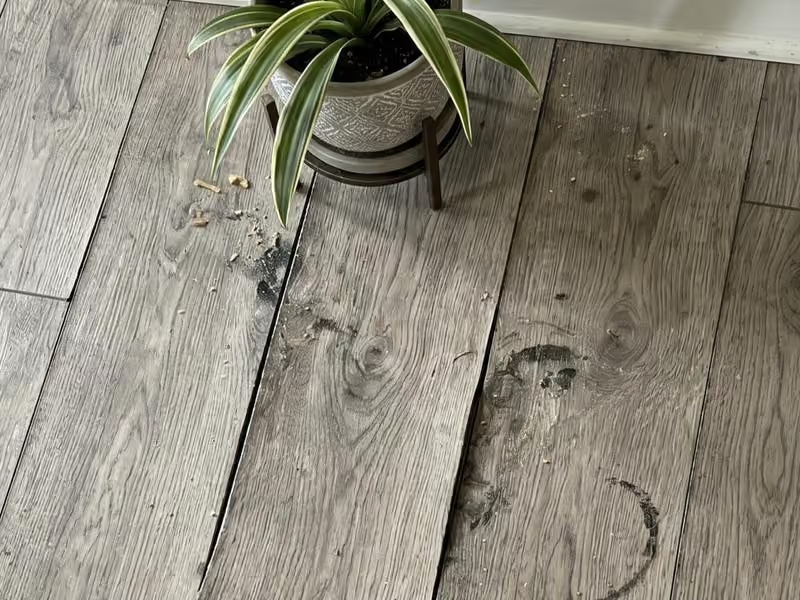
The Culprits: Leaky appliances, overwatered houseplants, or a window left open during a Bend snowstorm.
The Verdict: IT DEPENDS.
- Solid & Engineered Hardwood: If the water was caught quickly, the wood might just be stained or slightly warped (a wavy texture called "cupping"). Sometimes, letting the wood thoroughly dry out in our low-humidity climate and doing a light sanding can save it. However, if the wood has turned black, begun to rot, or the subfloor beneath it is severely damaged, those boards, and potentially the whole section, will need to be replaced.
- Laminate & Vinyl/LVP: Traditional laminate contains a fiberboard core that swells and bubbles permanently when exposed to water; damaged planks must be replaced. Luxury Vinyl Plank (LVP) is generally waterproof, but if water gets trapped underneath, you may need to pull up the planks to dry the subfloor to prevent mold, then reinstall them.
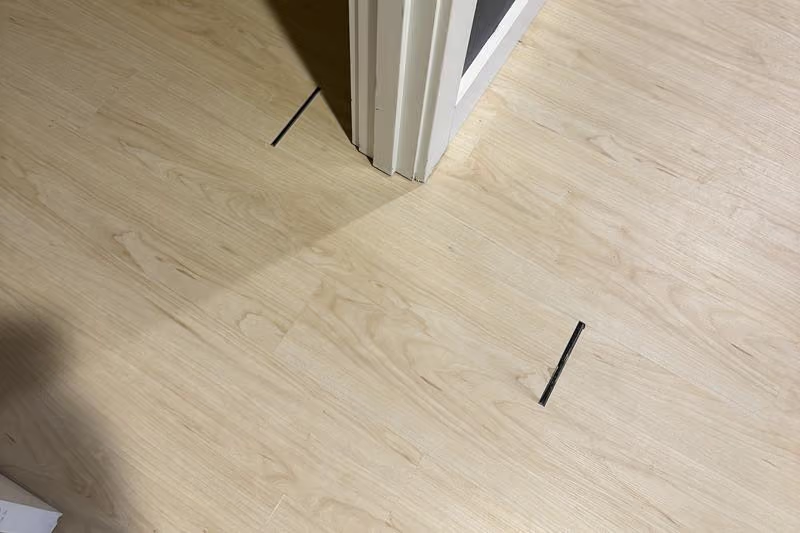
3. Gaps Between the Planks
The Culprits: Central Oregon’s extremely dry climate and seasonal temperature swings.
The Verdict: REPAIR (or just wait!).
- Solid & Engineered Hardwood: Wood is a natural material that expands and contracts. In the dead of our dry winters, it's normal for hardwood to shrink slightly, leaving small gaps. Often, these close up when the humidity rises. If the gaps are extreme and permanent, we can often repair them with wood filler or by adjusting the boards.
- Laminate & Vinyl/LVP: These are usually "floating" floors. Gaps indicate the click-lock mechanism has shifted or separated. Instead of using wood filler, these floors can often be repaired by gently tapping the planks back together using a special flooring tool or suction block.
4. Severe Movement, Squeaks, or Bouncy Floors
The Culprits: Subfloor issues, settling foundations, or poor initial installation.
The Verdict: REPLACE (or extensive repair).
- Solid & Engineered Hardwood: Squeaks can sometimes be remedied by securing loose boards with screws from beneath the subfloor or using special breakaway screws from the top. However, widespread structural failure usually requires pulling up the flooring, fixing the subfloor, and installing new floors so the problem doesn't return.
- Laminate & Vinyl/LVP: Bounciness usually points to an uneven subfloor or improper/missing underlayment. The repair generally involves un-clicking the planks, leveling the subfloor underneath, and re-laying the floor.
Important Note: If your home has major subfloor issues, we recommend getting a reputable contractor to look at the issue. Our subfloor repairs are limited to minor leveling only.
5. Noticeable wear throughout the surface
The Culprit: Age.
The Verdict: REFINISH OR REPLACE.
- Solid & Engineered Hardwood: Solid hardwood can be sanded down several times. Engineered hardwood (which is incredibly popular and practical in Central Oregon) has a thinner "wear layer" of real wood on top and can only be sanded 1-2 times. If your floors have already been sanded down past this layer, there simply isn't enough wood left to safely sand again. At this point, replacement is your only option.
- Laminate & Vinyl/LVP: These materials cannot be refinished. They feature a printed photographic layer protected by a clear wear layer. Once that top layer wears through or dulls significantly from age, the floor must be completely replaced.
Important Note: We do not sand and refinish hardwood floors but we can offer recommended contractors who offer this service.
The Easton Flooring Approach
We know it can be stressful trying to diagnose floor damage yourself, and that's why we offer free, in-home estimates. Sometimes, the issue isn't as catastrophic as it sounds.
A Story from the Field: To give you an idea of why an expert assessment matters, we had a customer about a year ago who was a contractor himself. He had built his house 15 years prior, and ever since the initial hardwood floors were installed, there was a loud, persistent squeak. Despite his own construction background (and having multiple flooring installers come out over the years) nobody could solve the mystery. Everyone was confident it was a subfloor issue.
When we arrived to look at it, the noise instantly sounded unusual, it didn't sound like typical subfloor friction. We tracked the noise to the right side of the fridge, near the cabinet surround. After a little troubleshooting, we moved the cabinet panel slightly, and the squeak vanished. It turned out that a tiny amount of subfloor deflection was causing the floor to rub against the cabinet panel when someone stepped next to it. One quick shim underneath to tighten the panel, and the noise was gone 100%. The customer was blown away with 15 years of squeaky floors fixed in an instant.
When Devin visits your home, he brings years of this exact kind of installation, troubleshooting, and repair experience with him. He will look closely at the damage, measure the remaining wear layer of your wood, and give you his honest, professional opinion.
- If we can save your floors and save you money, we will tell you. We take pride in our precision repair work.
- If a repair would just be a temporary band-aid and a waste of your money, we will be straight with you about that, too.
- And if replacement is the best route, we'll provide a transparent, itemized quote for a flawless new installation.
Ready for an Honest Assessment?
You don't have to live with floors you don't love, and you don't have to guess about the cost to fix them. If your Central Oregon home needs a flooring refresh, let our family help yours.
Reach out to Easton Flooring today to discuss your project, get honest recommendations, and receive a free estimate.


