


When you decide it’s time to upgrade your home’s flooring, it’s easy to focus solely on the fun part: picking out the perfect wide-plank white oak or a durable, pet-friendly luxury vinyl plank (LVP). You picture the final result and imagine how it will transform your living room.
But what happens between buying the materials and walking on your new floor?
Many homeowners are surprised to learn that laying down the actual planks is only about half the job. The difference between a floor that looks okay for a few years and a flawless installation that lasts a lifetime comes down to the hidden details: the preparation, the problem-solving, and the finishing touches.
Here is what a true "full-service" flooring installation involves, and why many quotes often leave out the most important steps.
1. The Heavy Lifting: Moving Furniture and Appliances
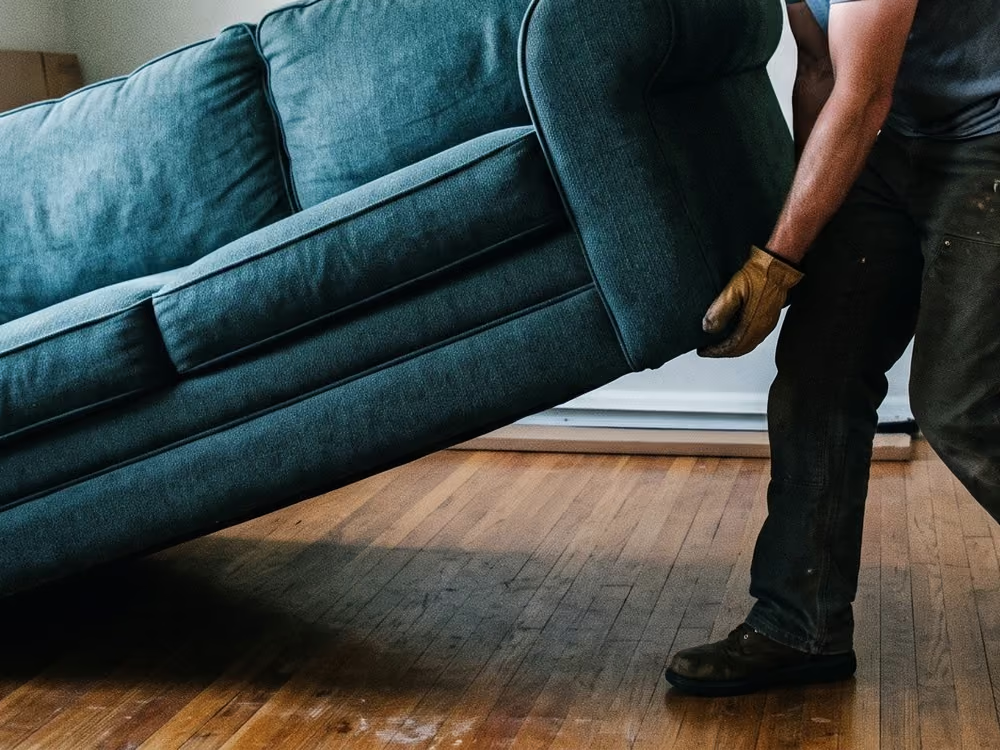
Big-box home improvement stores and budget installers often expect the room to be completely empty before they arrive. For homeowners, however, emptying a kitchen, moving heavy couches, and disconnecting refrigerators is a major, stressful undertaking.
A full-service installer's role isn't just to show up to lay wood but to also manage the logistics. This includes safely moving large furniture, disconnecting and relocating appliances, and ensuring everything is put back exactly where it belongs once the floor is finished.
2. The Tear-Out and Demolition
Old flooring rarely comes up without a fight. Glued-down hardwood, stubborn tile, or layers of old linoleum require heavy-duty tools and serious manual labor to remove. Once it's pulled up, you’re left with a massive pile of debris.
Professional installation teams manage the entire demolition process, including the heavy lifting of debris removal. They take care of hauling away all materials, so you won’t have to worry about renting a dumpster yourself or making multiple trips to the Deschutes County landfill just to get your project off the ground.
3. Floor Prep: The Secret to a Floor That Lasts
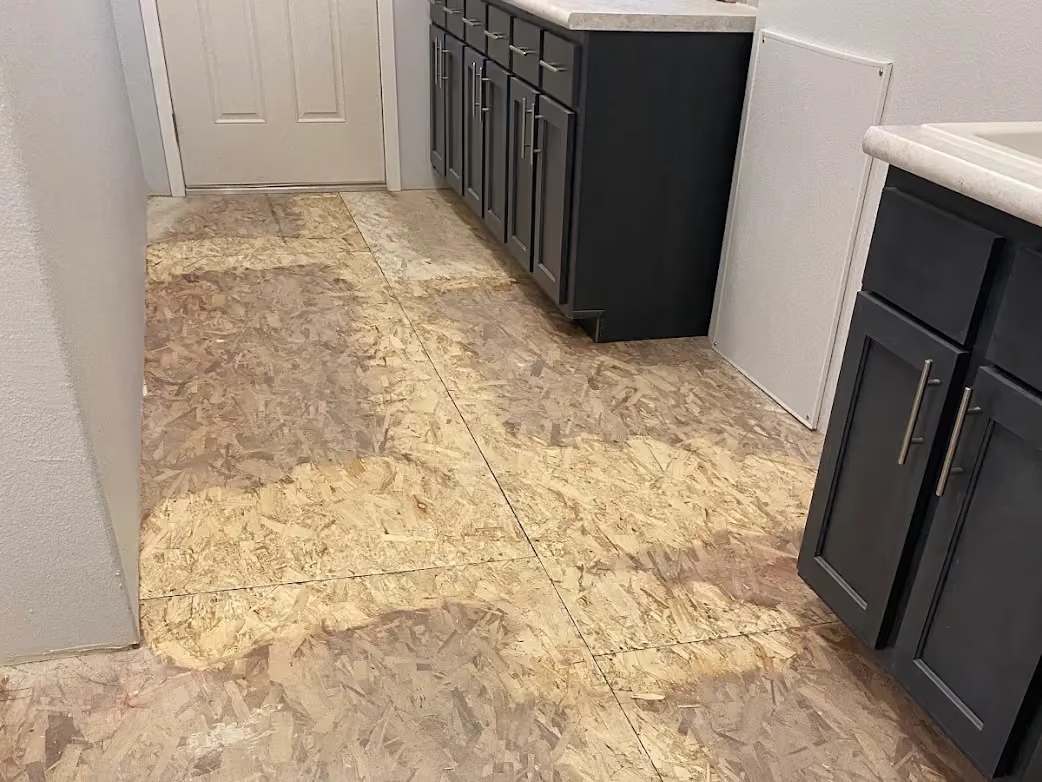
If there is one place where many installers cut corners, it’s subfloor preparation. If your subfloor isn't flat, clean, and structurally sound, your new flooring is doomed to fail. LVP will unlock and buckle, and hardwood will squeak and gap.
Proper floor prep might involve:
- Sanding/planing down high spots in the plywood.
- Pouring self-leveling concrete to fill in dips and valleys.
- Securing loose subfloor panels to eliminate squeaks before the new floor goes down.
See Our Article "Floor Prep: Do I Need It?
4. The Hidden Obstacles: Baseboards and Toilets
Proper flooring installation involves integrating it perfectly with your home's existing fixtures.
- Baseboards and Trim: To get a clean look, baseboards usually need to be carefully removed before installation and re-installed (or replaced) afterward. If an installer leaves this to you, you're stuck doing finish carpentry.
- Bathrooms: Installing flooring in a bathroom requires removing the toilet and resetting it with a new wax ring once the floor is down. A full-service team handles this plumbing detail so you don't have to hire a second contractor.
5. Seamless Transitions & Grain Matching
Your new flooring has to meet up with other rooms, staircases, and exterior doors. Crafting smooth, safe, and visually appealing transition strips between different flooring types (like where your new kitchen LVP meets your living room carpet) takes meticulous carpentry skills.
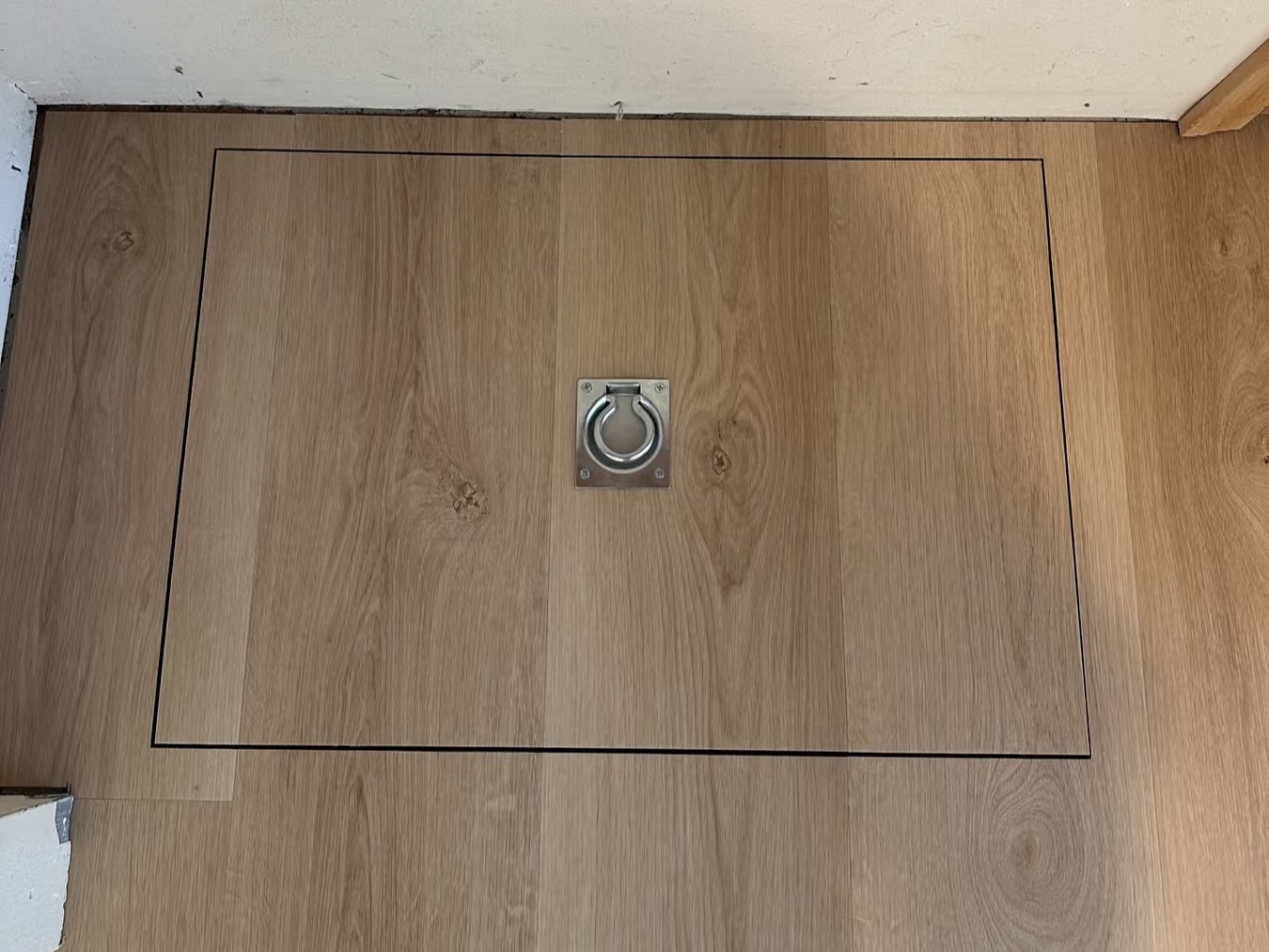
But transitions aren't just for doorways. Many Central Oregon homes have floor vents for HVAC or interior crawl space hatches. A quality installer has the ability to create custom, flush-mount wood or vinyl vents and carefully "grain match" the planks. This means precisely aligning the natural pattern of the wood straight across the vent or hatch cover so it practically disappears into the floor.
6. Respecting Your Home: Dust Management and Cleanliness
Tearing out old floors and cutting new wood or laminate creates an enormous amount of dust. For a homeowner living in the house during the remodel, this can be a nightmare that leaves fine dust coating your furniture, dishes, and electronics for months.
A professional full-service team takes dust mitigation seriously. This means using vacuums, sealing off adjacent rooms and doorways with plastic barriers, and ensuring the workspace is swept and vacuumed at the end of every single day. A professional team knows it's not just a job site; they are guests in your home.
Why "Full Service" Matters
When you compare quotes for flooring installation, make sure you are comparing apples to apples. A quote that looks incredibly cheap is usually just for the labor of laying the planks. Once you add in the cost of hiring someone to move your fridge, a plumber to reset your toilet, and the fees to haul away your old carpet, that "cheap" installation suddenly becomes very expensive and stressful to coordinate.
At Easton Flooring, we believe in treating your home like our own. We handle the heavy lifting, the meticulous subfloor prep, the demolition, and the fine finishing details. We take care of the entire process so you don't have to.
Are you ready to transform your home without the headache?
If you’re in Bend or Central Oregon, contact Devin and the team at Easton Flooring for a free, no-obligation estimate. We'll walk you through exactly what your project needs, with honest advice and a transparent timeline.


